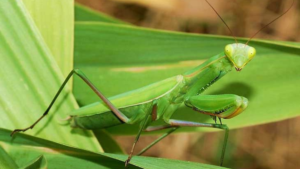
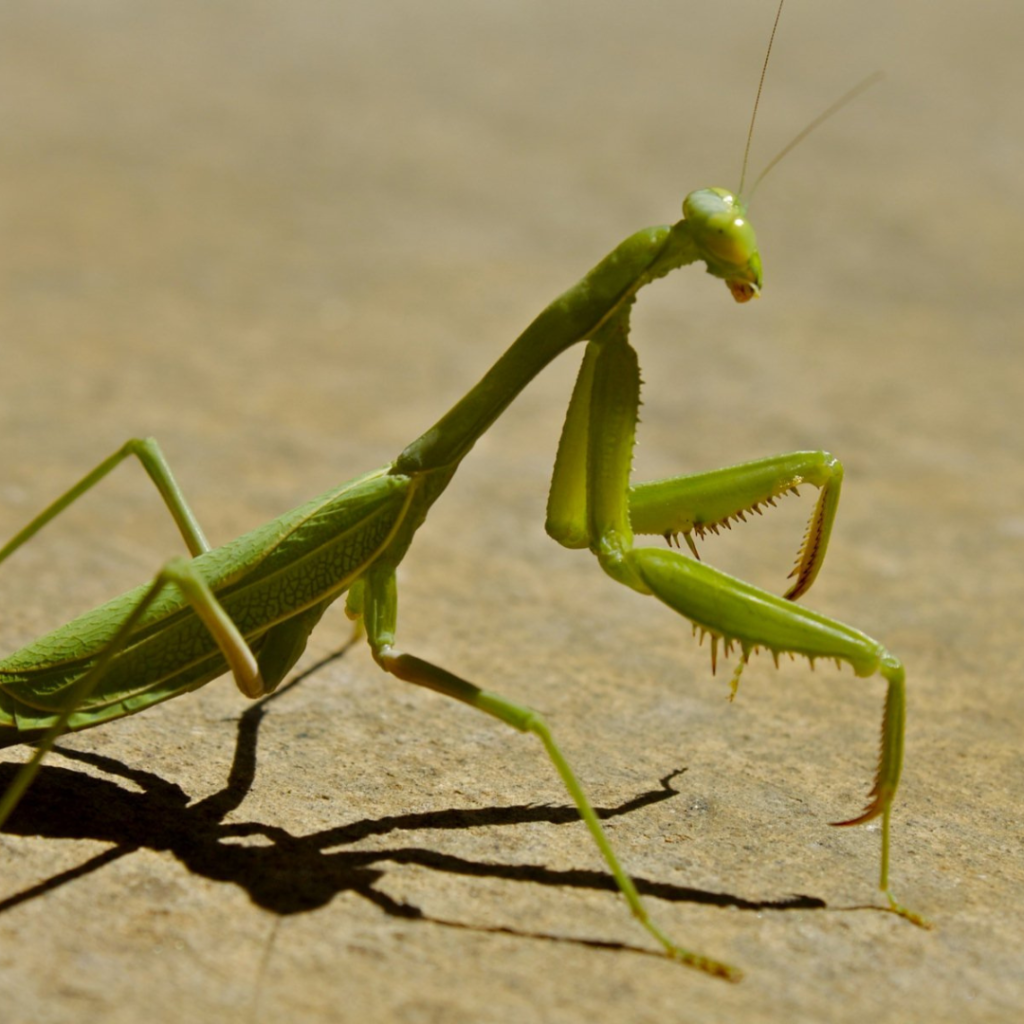
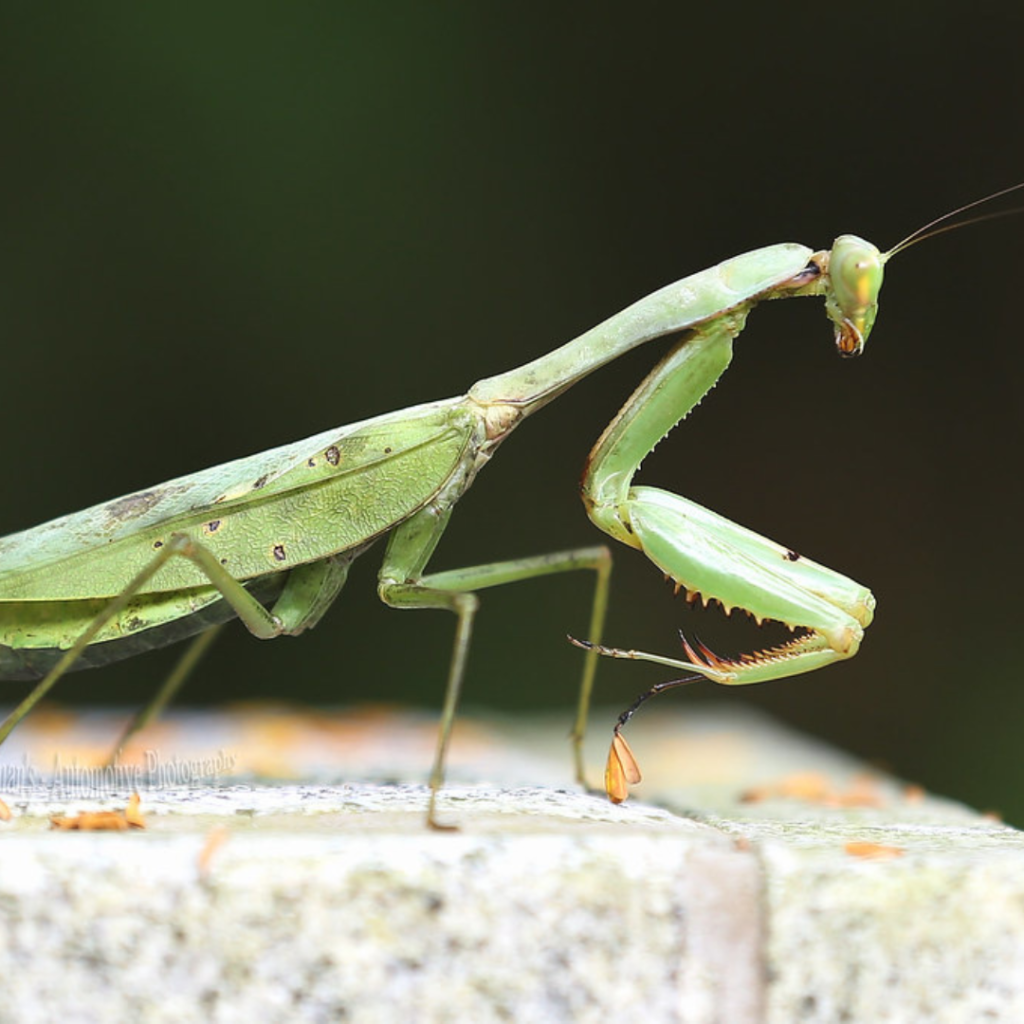
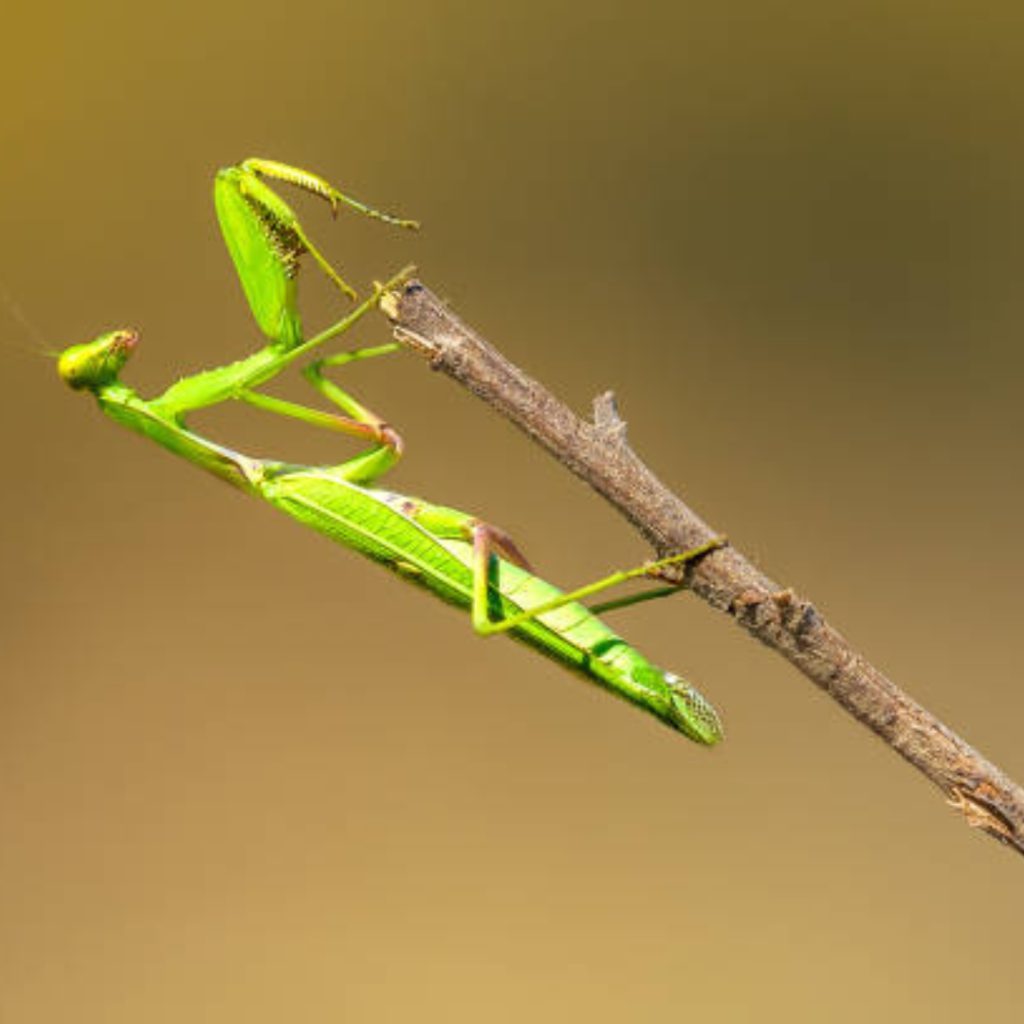
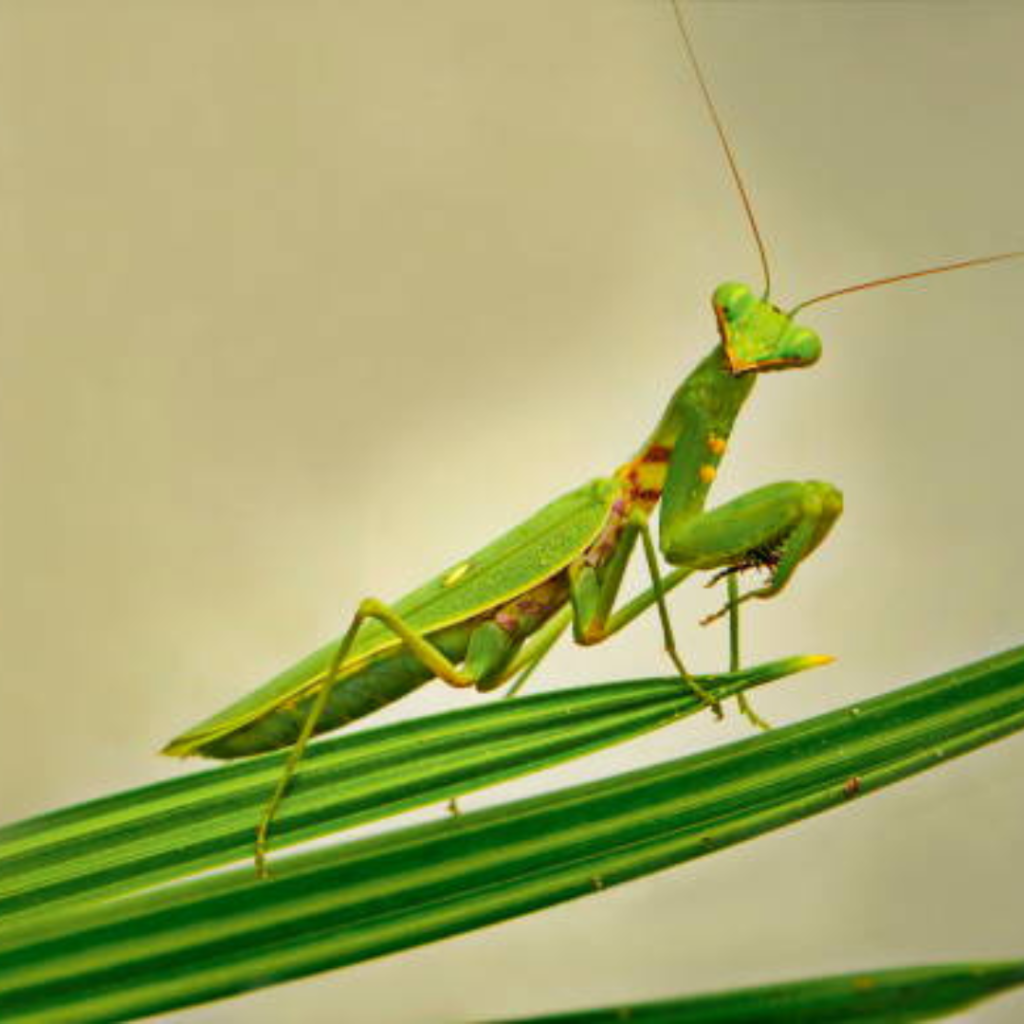
The Praying Mantis is a fascinating insect known for its distinctive posture and predatory behavior. Often found in gardens, forests, and grasslands, the Praying Mantis plays a crucial role in controlling pest populations.
Habitat & Lifestyle Praying Mantises inhabit a variety of environments, including temperate and tropical regions. They prefer areas with plenty of vegetation, which provides cover and hunting grounds. These insects are primarily solitary and exhibit ambush predation, staying still and camouflaged until they capture prey, such as flies, grasshoppers, and other insects.
Area Found Praying Mantises are widely distributed across the world, including in Pakistan. They can be found in gardens, agricultural fields, and natural habitats, where they thrive in warm climates and abundant plant life.
Quick Facts
Length: 5-15 cm, depending on the species.
Known for their unique triangular heads, large compound eyes, and long, slender bodies, with front legs adapted for grasping prey.
Primary predators include birds, spiders, and other larger insects.
The Praying Mantis is named for its “praying” posture, where it holds its front legs up as if in prayer, a position that also aids in capturing prey.
Did you spot a mistake or have more to add? Let us know! Your feedback helps Haewan keep information accurate and up-to-date.